
David Tanis adapts Coco Chanel’s fashion edict: Take a look in the mirror and take one thing off, to the plate. Twenty six years as one of the head chefs at Alice Waters’ Chez Panisse in California, two cookbooks later, and now the head New York Times food writer, Tanis is leading the quiet revolution back to simple, sustainable, seasonal. I say quiet, because at Crave, Sydney’s annual international food festival, there was a surplus of technical genius on display with dozens of the world’s top chefs in town.
But this particular showcase was a “foam free zone”, as declared by Gabrielle Hamilton, owner of Prune, and this year’s James Beard Award for Best Chef, New York City. A custodian of old traditions – French technique, Italian traditions, American upbringing – Hamilton is also a writer. Her book, Blood Bones & Butter, cited by Anthony Bourdain as the best memoir by a chef ever (and it is), reminds in the truest and most authentic way that we are we what we eat, historically, culturally, geographically, generationally. Her culinary roots are planted in a party held by her family when she was a child. Spit roasted lamb.
Without a food memory, one you can call your own, a couple of simple techniques like how to roast a chicken, and make a soup, plus unfettered access to ingredients flown in from Anywhere, All The Time, then it’s a quick unravelling into a culinary wasteland where we eat to live, rather than live to eat. Food with no history loses all but its most basic function as fuel. Enter fake food, fast food, obesity, health problems.
Both David Tanis, and the legendary Jill Norman (Elizabeth David’s editor) also speaking at Crave, believe something got lost for a generation: how to cook, and how to be with people.
Lucky then, that memory can be replenished one meal at a time, and simple is, as Tanis says, sometimes a whole lot better. His cookbooks, The Heart of the Artichoke, and A Platter of Figs, are all about this clarity. He mentions his Italian friend’s belief that a dish is best composed of only three, maybe four elements, and even then “of four, I’m not so sure”.
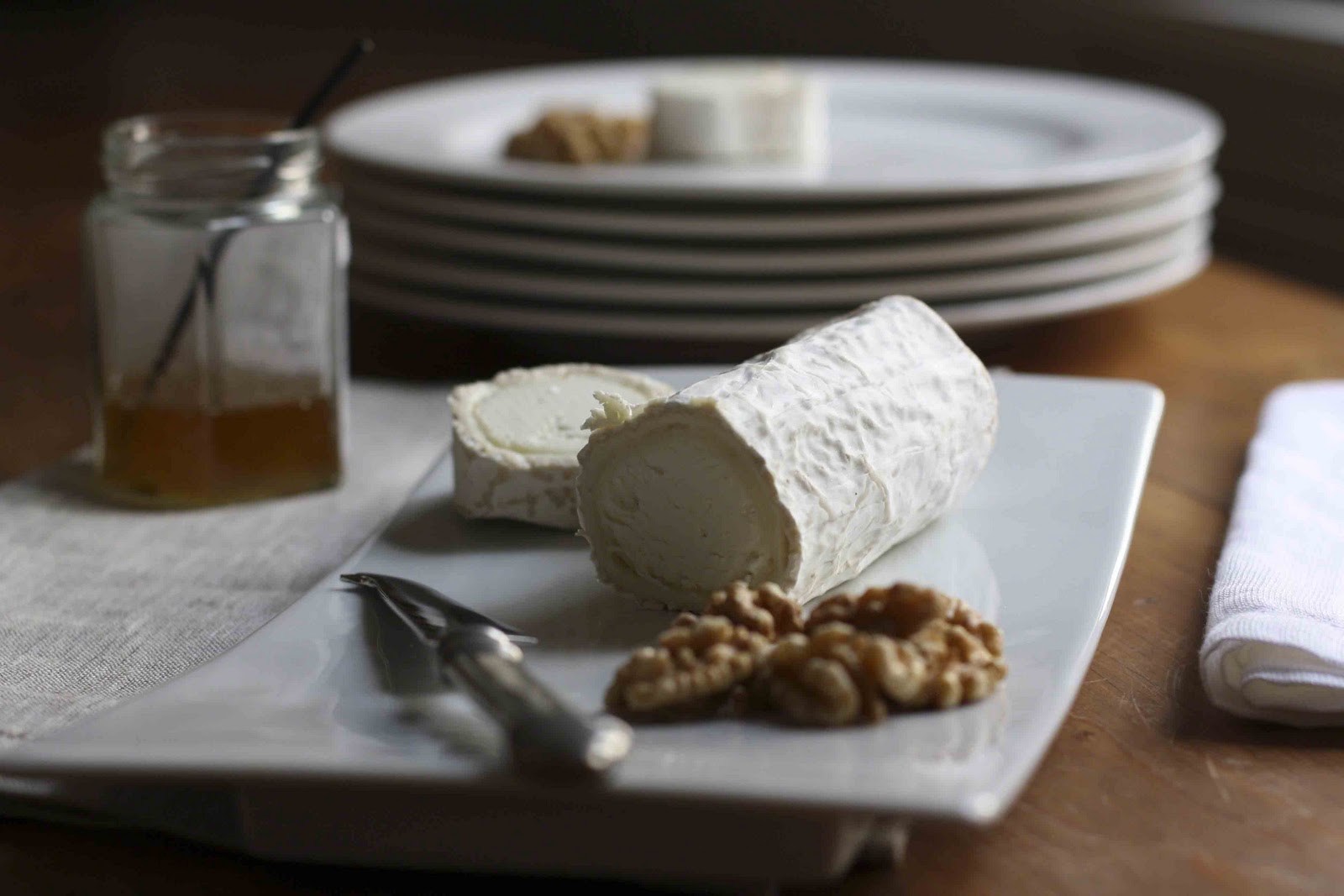
In honour of David Tanis then, these seasonal treasures. Goat’s cheese, honey, walnuts. Drizzle the honey on a sliver of goat’s cheese, top with a walnut. A small morsel of savoury, sweet, cream and crunch. It’s home style, without any cooking at all. I’d forgotten, being currently in awe of the 8-12 year old Junior Masterchef prodigies gracing our screens, that fresh, seasonal, letting the produce work it, almost always compensates for a lack of cooking skill.
Or if, like me, you’re competent, but aren’t shooting for exceptional, I just try to stick to the routine of trying one new recipe a week, with a seasonal ingredient to at least ground me in the here and now of a spring day. Today, it’s broad beans.

It adds to the memory bank, so that one day, rather than having to slavishly follow a recipe, I don’t need to look at it all. It’ll be intuitive.
Because at its purest that’s what cooking can be: intuition, creativity, recall, identity. Home.


